I remember the frustration of nails that bent at the slightest pressure. I’d spend weeks carefully growing them, only to watch them fold, peel, or break the moment I reached for something. I assumed it was just genetics and that I had to live with it. Then I learned that soft nails are often a symptom of habits, nutrition, or care routines that can be changed.
Soft nails are more common than you might think. Here is everything I have learned about why nails become soft, how to strengthen them, and what to eat for stronger, healthier nails.
Factors That Cause Soft Nails
Soft nails can be caused by a variety of factors, from environmental exposure to internal health issues.
Frequent water exposure. This is one of the most common culprits. Nails absorb water, swelling when wet and shrinking as they dry. This repeated cycle breaks down the bonds between nail layers, making the nail plate soft and weak. Dishwashing, long showers, and frequent hand washing all contribute. When the nail plate is constantly wet, it becomes overly flexible and prone to tearing.
Harsh chemicals. Cleaning products, acetone-based removers, and even some soaps strip the nail of its natural oils, leaving it dry and brittle. While this sounds contradictory, brittle nails are also weak and can feel soft when they bend instead of breaking cleanly.
Nutritional deficiencies. Nails need protein, iron, zinc, and biotin to stay strong. If your diet lacks these, your nails will show it. Your nails reflect your overall nutritional status. A diet lacking in essential nutrients can lead to thin, soft, or weak nails.
Hormonal changes. Hormonal shifts, particularly in women during and after menopause, can affect nail health, leading to increased softness and brittleness.
Aging. Nail growth slows and the natural oils that keep nails flexible diminish with age.
Underlying health conditions. Thyroid disorders, anaemia, and psoriasis can cause soft nails. If your nails are consistently soft or weak despite good care, it is worth consulting a healthcare professional.
Nail enhancements. Acrylics and gels can weaken the natural nail if applied or removed incorrectly. Aggressive filing and peeling can strip layers off the nail plate, leaving it thin and vulnerable.
-1024x1024.jpg)
How to Care for Soft Nails?
Protect your nails from water. This is the single most effective step. Wear rubber gloves for dishwashing, cleaning, and any task that exposes your nails to water or chemicals. Dry your hands thoroughly after washing.
Moisturise daily. Apply cuticle oil at least twice a day. Jojoba oil is ideal because it closely mimics the skin’s natural oils and penetrates the nail plate. Massage a drop into each nail and cuticle morning and night. A rich hand cream applied after every wash helps lock in moisture.
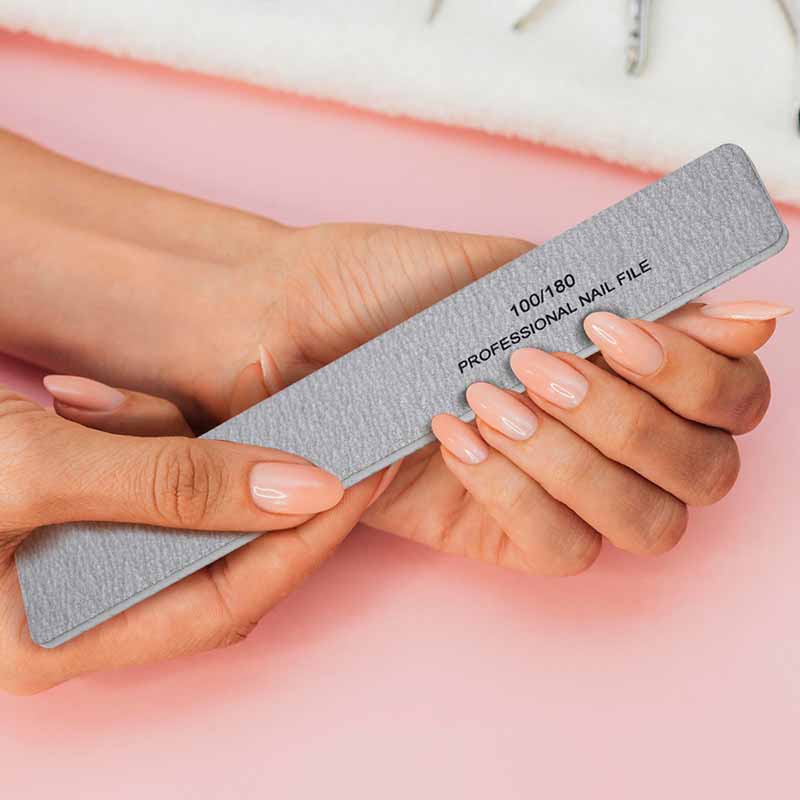
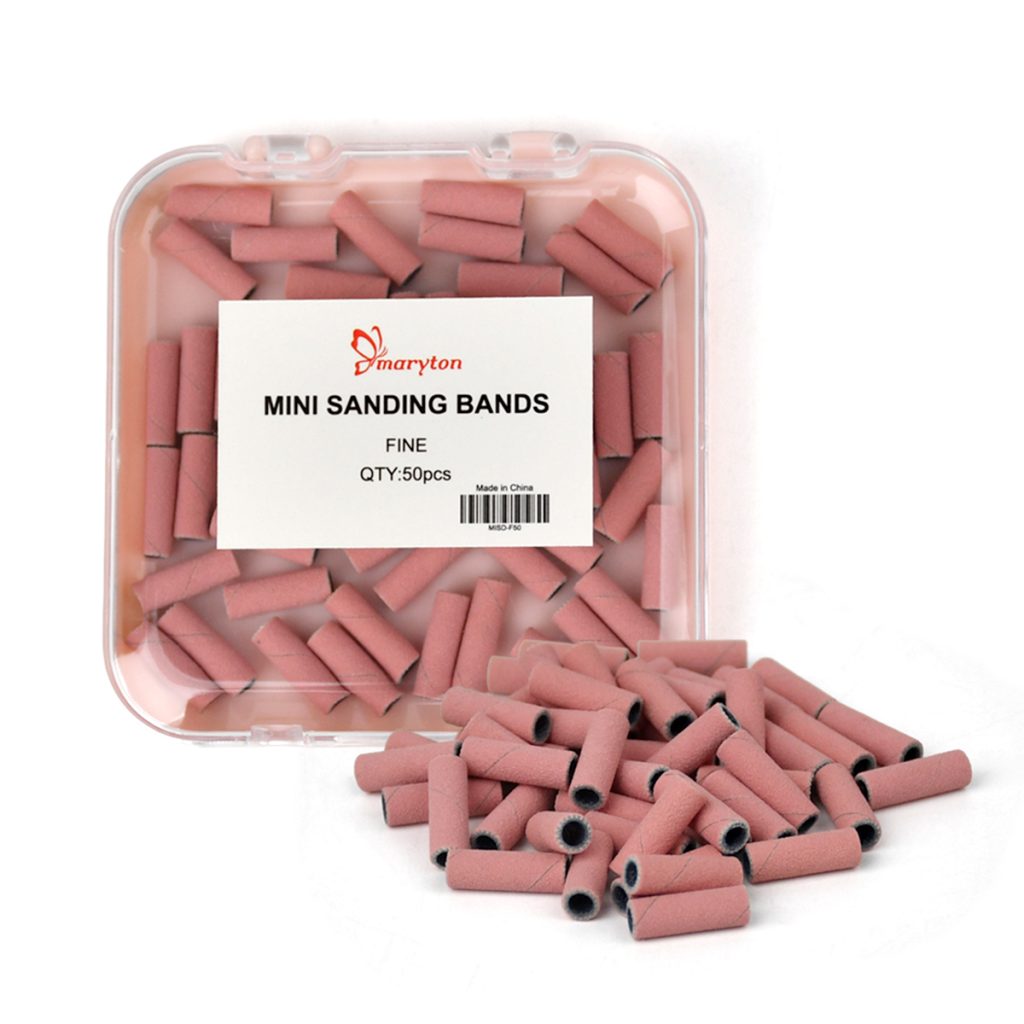
Using the file correctly: Always file in a single direction—never use a back-and-forth motion. For natural nails, using a mini sanding band can effectively minimize damage.
Take breaks from polish. Constant coverage—especially gel or acrylic—can dry out the nail plate. Give your nails a few days of bare, oiled rest every month. This allows the nail plate to rehydrate and helps you spot any changes in colour or texture.
Use a nail strengthener. A keratin-based or calcium-based strengthener can help. Apply a thin layer once a week. Avoid strengtheners containing formaldehyde, which can make nails brittle over time. Strengtheners work by forming a protective layer over the nail plate, helping to prevent breakage.
Be gentle. Do not use your nails as tools. Opening cans, peeling stickers, or scraping with your nails puts lateral pressure on the nail plate and can cause breakage.
Natural Ways to Improve Soft Nails
Olive oil soak. Warm a small amount of olive oil and soak your nails for 10-15 minutes. Olive oil is rich in vitamin E, which nourishes and hydrates the nail plate. Do this once or twice a week.
Coconut oil massage. Coconut oil is deeply moisturising and has antibacterial properties. Massage it into your nails and cuticles daily.
Jojoba oil. Jojoba oil closely mimics the skin’s natural oils. It penetrates the nail plate and keeps nails hydrated and flexible.
Lemon juice soak. Lemon juice contains vitamin C, which promotes collagen production. Soak your nails in a mixture of lemon juice and warm water for 10-15 minutes. Rinse and moisturise immediately afterward.
Avoid acetone. Acetone is extremely drying. Use non-acetone remover for regular polish and limit acetone use to gel removal.
How to Make Your Nails Harder?
Eat for nail health. Nails are made of keratin—a protein. A diet rich in protein, iron, zinc, and biotin supports strong, healthy growth. Include eggs, nuts, leafy greens, and lean meats in your diet. A balanced diet is more effective than supplements alone.
Stay hydrated. Drink plenty of water. Dehydration affects every cell in your body, including your nail matrix.
Take breaks from enhancements. If you wear gels or acrylics, take a break every few months. This allows your natural nails to recover and rehydrate.
Use a hardener wisely. A good nail hardener can help, but overuse can make nails brittle. Apply it once a week, not daily.
Be patient. Nails take 4-6 months to fully replace themselves. Consistent care will restore their strength.
The Role of Vitamins and Diet in Nail Health
Biotin. A B vitamin that has been shown to improve nail thickness and reduce splitting. Found in eggs, nuts, seeds, and sweet potatoes. Studies have shown that biotin can significantly improve nail health in people with brittle nails.
Iron. Essential for healthy nail growth. Low iron causes thin, spoon-shaped nails. Include spinach, red meat, lentils, and fortified cereals.
Zinc. Supports the production of keratin. Found in oysters, beef, pumpkin seeds, and chickpeas. Zinc deficiency can lead to slow nail growth and the formation of white spots.
Protein. Nails are made of keratin, a protein. Include lean meats, eggs, fish, beans, and legumes.
Vitamin C. Necessary for collagen production. Found in citrus fruits, bell peppers, strawberries, and broccoli. Collagen provides structure to the nail bed and surrounding skin.
Omega-3 fatty acids. Found in salmon, walnuts, and flaxseeds. These help keep the nail plate hydrated and flexible.
The Bottom Line
Soft nails are common, but they are not permanent. With consistent care—protection from water, daily hydration, proper filing, and a balanced diet—you can transform weak, soft nails into strong, resilient ones. If your nails remain soft or weak despite good care, consult a healthcare professional to rule out underlying health conditions. Your nails reflect your overall health; treat them with care, and they will reward you with strength and beauty.
Read also: Summer Pedicure Colors 2026: The Shades That Will Have You Wiggling Your Toes All Season