A good manicure starts long before the first drop of polish touches your nail. The real foundation? High‑quality nail care tools. Whether you are a salon professional or a home enthusiast, the right tools make the difference between healthy, beautiful nails and constant frustration. Here is everything you need to know about common nail tools, how to select quality equipment, why hygiene matters, and the mistakes to avoid.
Common Nail Care Tools Every Kit Should Have
A well‑rounded nail care kit typically includes the following essential items:
Nail Clippers – The workhorse of any kit. Look for sharp, stainless steel clippers designed for fingernails and larger versions for thicker toenails.
Cuticle Pusher – A dual‑ended tool with one flat side for pushing back cuticles and one pointed side for cleaning beneath the free edge.
Cuticle Nippers – Small, sharp scissors used to trim only loose, dead skin. Quality nippers make clean cuts without tugging or tearing.
Nail Scissors – Curved or straight blades for precise trimming and hangnail removal.
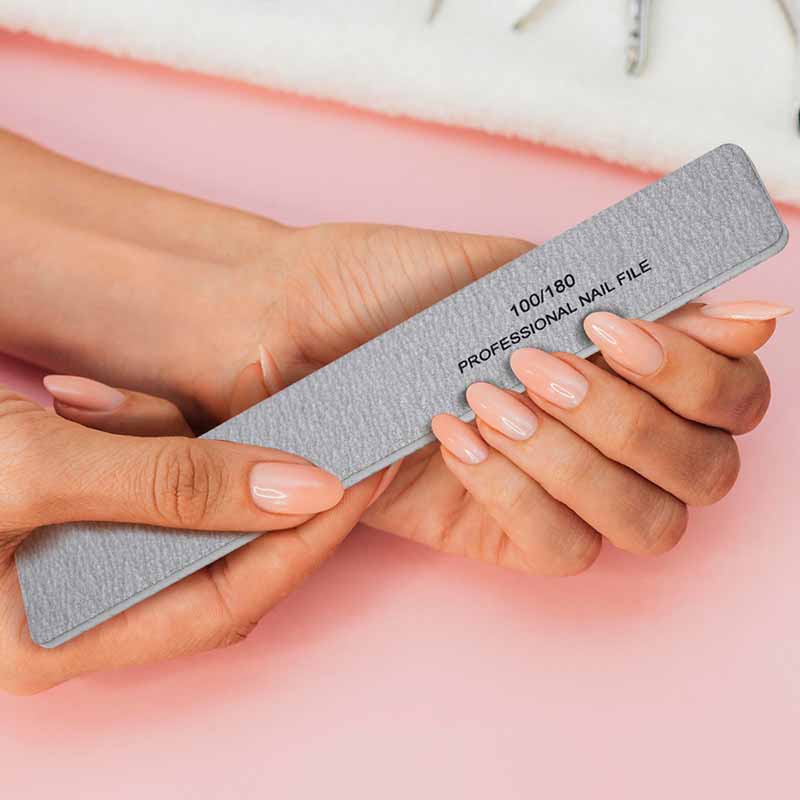
Nail Files and Buffers – Files shape the nail (use a mix of 100, 180, and 240 grit). Buffers smooth ridges and impart a natural shine.
Tweezers – Essential for nail art, placing rhinestones, or handling small details.
E‑File (Electric Nail File) – Speeds up filing, shaping, and product removal. Professional‑grade e‑files offer variable speed control and forward/reverse rotation.
Sanitization Tools – Disinfectant solutions and sterilization equipment are vital for maintaining hygiene.
Additional Tools – Nail brushes, acrylic brushes, dust collectors, and disposable items (wooden sticks, cotton pads, gloves, masks) complete a professional setup.
How to Choose High‑Quality Nail Tools
Selecting quality equipment protects both your nails and your investment. High‑quality products perform consistently, are backed by credible science, and are manufactured to meet safety and regulatory standards.
Material Quality. Always prefer stainless steel for durability, rust resistance, and ease of sterilization. Glass and crystal files provide a smooth, precise filing experience and last for years without fraying.
Durability and Build. Tools should feel solid with no loose components. Metal edges must be smooth and polished to prevent scratching or cutting skin. Check that clippers and nippers have tight, perfectly aligned blades.
Ergonomic Design. Comfortable handles prevent hand fatigue, especially during prolonged use. Choose tools that fit your hand size naturally—cuticle scissors, for example, should have handles proportionate to your finger length.
Safety and Hygiene Standards. Tools must be easy to clean and sterilize. Autoclavable or chemically‑resistant materials are highly recommended for professional use.
Test Before Committing. Never place a bulk order without testing samples. Functionality, durability, and comfort should all be evaluated before purchase.
Why Tool Hygiene Is Absolutely Essential
Clean tools are not optional—they are the backbone of safe nail care. Metal tools such as nippers, scissors, cuticle pushers, and nail drill bits come into direct contact with skin and are at high risk of contamination.
Disinfection vs. Sterilization. Disinfection eliminates most microorganisms (viruses, bacteria, fungi) but does not kill resistant spores. Sterilization, by contrast, completely removes all microorganisms with 100% effectiveness. For metal tools, sterilization in an autoclave or professional‑grade sterilizer is the gold standard.
The Three‑Step Process. First, clean the tools by scrubbing with warm, soapy water to remove visible debris, skin, creams, and nail dust. Second, disinfect by soaking tools in an EPA‑registered disinfectant solution for at least 10 minutes. Third, for medical‑grade safety, sterilize using an autoclave.
Single‑Use Items. Never reuse single‑use items such as nail files, buffers, wooden sticks, or tissues between clients. These items should be discarded immediately after each use.
Why It Matters. Neglecting hygiene can lead to bacterial infections, fungal growth, skin irritations, and even serious conditions like viral hepatitis in extreme cases. Conversely, a visibly clean workspace with sterilized tools builds client trust and reflects professional credibility.
Tools for Everyone: Professionals vs. Home Users
For beginners at home: Start with a basic set containing clippers, a file, a buffer, a cuticle pusher, a nipper, and a nail brush. Focus on learning proper sanitation and safe handling before expanding your collection.
For professional nail technicians: Upgrade to a full set of professional‑grade clippers, scissors, and nippers, plus a high‑quality e‑file with multiple drill bits, a dust collector, Kolinsky acrylic brushes, and a reliable UV/LED lamp. Disposable items such as gloves, masks, and cotton pads should always be on hand.
Common Mistakes to Avoid
Over‑cutting cuticles. This is the number one error. Cuticles are the protective seal around your nail. Cutting them too much damages the nail area, invites infection, and can even cause permanent dents in the nail plate. Instead of cutting, gently push cuticles back with a soft pusher and only trim loose, dead skin.
Using the same tool for everyone. Even clean tools can transfer bacteria if not properly sterilized. Each client should have freshly sterilized tools or single‑use implements.
Trimming nails incorrectly. Always cut nails straight across, especially toenails. Rounding corners invites painful ingrown nails. For fingernails, gently soften the edges but never cut sharply curved.
Neglecting tool maintenance. Tools require regular care. After each use, wash them with warm soapy water, dry thoroughly, and disinfect. Store clean and used tools separately to avoid cross‑contamination.
Over‑filing or over‑buffing. Aggressive filing thins the nail plate and makes nails weak and sensitive. Use gentle pressure and fine‑grit files on natural nails.
Ignoring nail hydration. Dry cuticles and brittle nails lead to cracks and peeling. Apply cuticle oil daily, especially after using sanitizing products.
The Bottom Line
The right nail care tools, chosen with an eye for quality materials and ergonomic design, lay the foundation for beautiful, healthy nails. But tools are only half the equation—proper hygiene and correct technique protect both the nail plate and your overall health. Whether you are just starting your nail journey or are an experienced professional, investing in quality tools and following strict sanitation practices will pay dividends in stronger nails, longer‑lasting manicures, and peace of mind.
Read also: The Complete Beginner’s Guide to Pumice Stones: Your Feet’s Best Friend