Let me tell you something embarrassing: for the first 28 years of my life, I thought “pumice” was just that weird floaty rock they put in bathroom gift baskets. You know, the one that sits next to the lavender sachet and looks like it belongs in a fish tank?
Then I started working in the foot care industry, and oh boy, was I wrong.
Today, I’m going to give you the complete beginner’s guide to pumice stones—what they are, why you need one, and how to use them without turning your feet into a bloody mess.
What Exactly Is a Pumice Stone?
Let’s start with the basics.
Pumice is a volcanic rock. When volcanoes erupt with insane heat and pressure, the lava foams up like the world’s most dangerous bubble bath and then cools rapidly. The result? A lightweight, porous stone that’s essentially frozen bubbles.
Here’s the mind-blowing part: pumice is the only rock that can float in water. Try that with a granite countertop. I dare you.
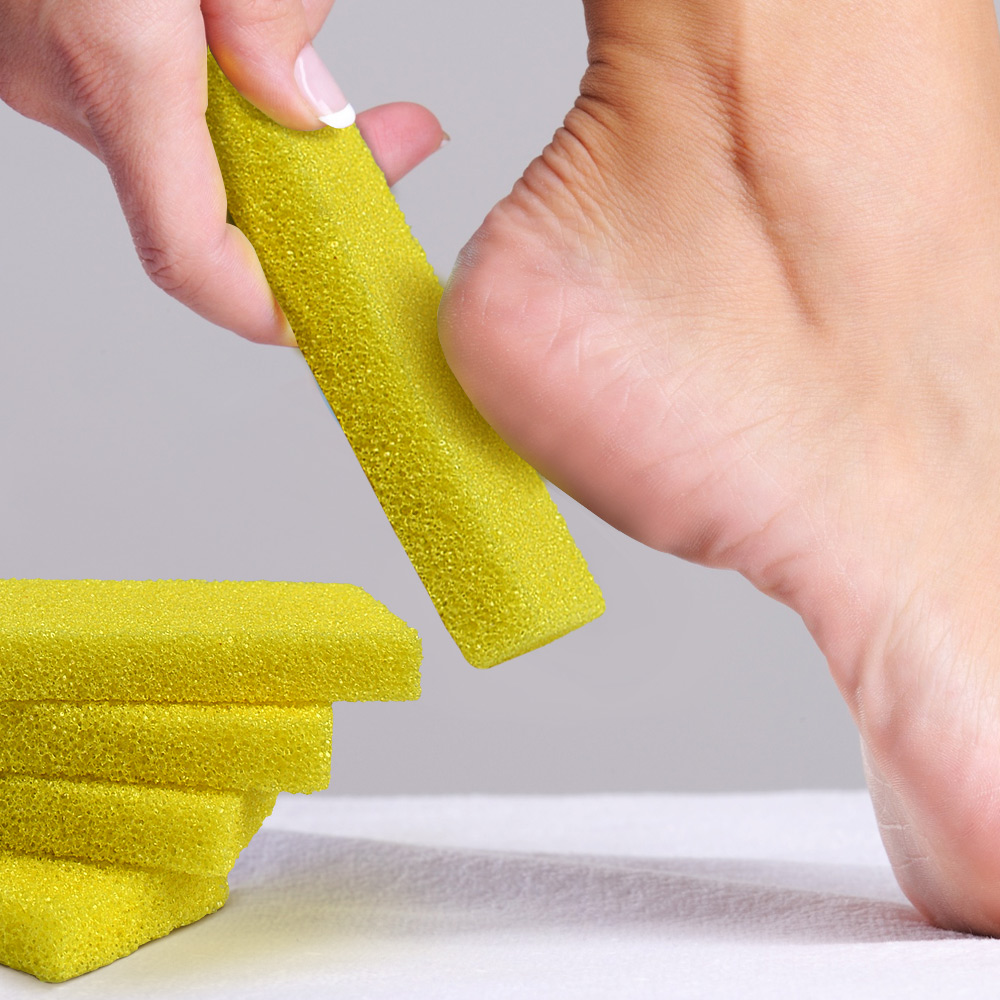
Those tiny holes and rough texture aren’t flaws—they’re the whole point. When you rub pumice against your skin, those porous cavities create gentle friction that files away dead skin cells without damaging the healthy layers underneath.
Think of it as sandpaper for your feet, but the kind your grandmother would approve of.
Why Bother? The Real Benefits
I interviewed Sarah, a licensed esthetician who’s been doing pedicures for 15 years in Chicago. She put it bluntly:
“I’ve seen feet that could grate cheese. And I’ve seen feet that look 20 years younger than their owners. The difference? A pumice stone used twice a week.”
Here’s what a good pumice stone actually does:
1. It removes the “gravel road” texture
You know that rough, scratchy feeling when you run your hand over your heel? That’s dead skin buildup. Pumice files it down, revealing smoother skin underneath.
2. It prevents cracks before they happen
Once those heels start cracking, you’re in for a world of pain (and socks snagging on everything). Regular light pumice use stops cracks before they start.
3. It actually saves you money
One decent pumice stone costs $5-8 and lasts 6-12 months. Compare that to chemical foot peels, fancy masks, or salon visits. Math wins.
4. It improves lotion absorption
Here’s something nobody tells you: lotion can’t penetrate a wall of dead skin. You’re just moisturizing the dead zone. Pumice clears the way so your fancy creams actually reach living tissue.
How to Use a Pumice Stone: The Right Way
This is where most beginners mess up. They grab a dry stone and go to town like they’re trying to start a fire.
Stop. Just… stop.
Here’s the step-by-step method I learned from watching real pros:
Step 1: Soak your feet
Fill a basin with warm water—not hot, warm. Add some Epsom salts if you’re feeling fancy. Soak for 10-15 minutes. This softens the skin so the dead layers actually want to come off.
Pro tip: Do this after your shower. Your feet are already primed.
Step 2: Wet the stone
Your pumice stone should be dripping wet. Remember how it floats? That porous structure holds water, which creates the perfect amount of slip.
Step 3: Gentle circular motions
Here’s the golden rule: let the stone do the work. Apply light pressure and make small circles on the rough areas. You’re not sanding a deck. You’re gently buffing skin.
Focus on:
- Heel edges
- The outer ball of the foot
- Any callused spots
Step 4: Rinse and check
Dip your foot back in the water, run your hand over it, and feel for remaining rough patches. Hit those again lightly.
Step 5: Dry and moisturize
Pat your feet dry (don’t rub—you just exfoliated, be nice to yourself) and apply a thick foot cream while your skin is still slightly damp.
The Five Deadly Sins of Pumice Stone Usage
I’ve watched beginners destroy perfectly good feet. Don’t be that person.
Mistake #1: Using it on dry skin
Why it’s bad: You’ll create micro-tears, irritate healthy skin, and generally have a bad time.
Fix: Always soak first. Always wet the stone. No exceptions.
Mistake #2: Going too hard
Why it’s bad: I once had a customer tell me she “saw pink” and thought that meant progress. No. Pink means you’ve hit living tissue. STOP.
Fix: If it hurts, you’re doing it wrong. Discomfort is okay. Pain means back off.
Mistake #3: Sharing your stone
Why it’s bad: This is like sharing a toothbrush. Pumice stones harbor bacteria. Fungus loves pumice stones.
Fix: One stone per person. Label them if you have to.
Mistake #4: Using the same spot too long
Why it’s bad: You’ll create a divot. Literally a hole in your foot where you’ve filed away too much.
Fix: 2-3 minutes max per foot. Even for seriously callused feet.
Mistake #5: Never cleaning the stone
Why it’s bad: That gray sludge? That’s your dead skin. Sitting in the pores. Growing things.
Fix: Rinse thoroughly after each use. Once a week, soak it in diluted bleach water for 10 minutes. Let it dry completely between uses.
How to Choose Your First Pumice Stone?
Walk into any pharmacy, and you’ll find pumice stones at different prices. The key is:
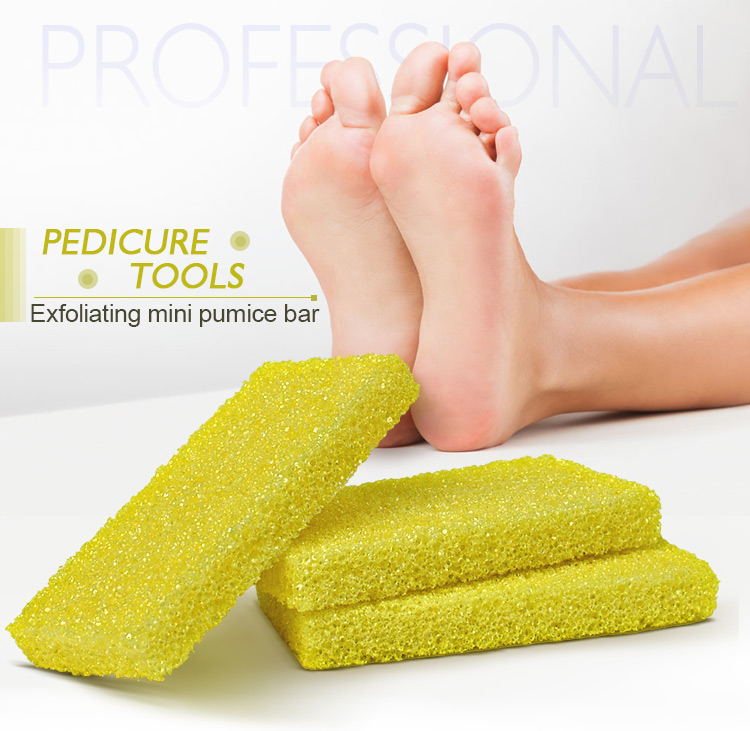
Natural vs. synthetic: Natural volcanic pumice is more porous and gentler. Synthetic versions (often white) are denser and more aggressive. Beginners should start with natural.
Shape matters: Look for one with a flat side (for heels) and a curved edge (for the ball of the foot). The two-in-one shapes are actually useful, not just marketing.
Size: If it disappears in your hand, it’s too small. You want something you can grip comfortably without finger strain.
A Quick Reality Check
Here’s what pumice stones won’t do:
- They won’t cure athlete’s foot (that’s a medical condition, see a doctor)
- They won’t remove deep plantar warts (again, doctor)
- They won’t fix cracked heels caused by medical issues like diabetes (please consult your physician)
- They won’t give you baby-soft skin after one use (this is a weekly practice, not a magic wand)
The Bottom Line
A pumice stone is the simplest, cheapest, most effective foot care tool humans have invented in… well, since volcanoes started erupting. The ancient Greeks used them. The Romans used them. Your grandmother probably used one.
And now you know how to use one without hurting yourself.
Your feet carry you everywhere. They spend their lives stuffed in shoes, walking on hard surfaces, supporting your entire body weight. Spending five minutes twice a week showing them some love? That’s not vanity. That’s maintenance.
And honestly? Smooth feet just feel better in fresh socks. We all know it.
Read also: A Stress-Free Guide to Removing Gel Nail Polish at Home